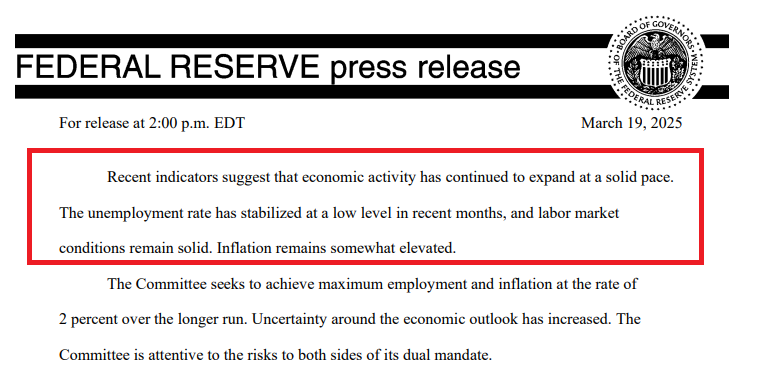
Fundamental analysis is a crucial aspect of understanding the financial markets. One key component of fundamental analysis is analyzing monetary policy reports. These reports provide valuable insights into the decision-making process of central banks and their impact on the economy. To effectively understand a monetary policy report, it is important to focus on three main areas: the macroeconomic overview, the monetary policy stance, and the key risks and uncertainties.
The macroeconomic overview section of a monetary policy report provides an assessment of the current state of the economy. It includes important indicators such as GDP growth, inflation rates, and employment levels. By studying these indicators, analysts can gain a better understanding of the overall health of the economy and the factors driving its performance. For example, if the GDP growth rate is high and unemployment is low, it suggests a strong and expanding economy. On the other hand, high inflation rates may signal a need for tighter monetary policy to control inflationary pressures. By carefully analyzing the macroeconomic overview, investors can make informed decisions about their investments.
The monetary policy stance section of a monetary policy report outlines the central bank's current and future approach to monetary policy. This section typically includes details about interest rate decisions, quantitative easing programs, and other measures taken by the central bank to influence the economy. Understanding the central bank's stance is crucial as it provides insights into future interest rate movements and the overall direction of the economy. For example, if a central bank hints at a possible interest rate hike in the future, it indicates a more hawkish stance that could lead to a strengthening of the currency. On the other hand, a dovish stance, or hints at lower interest rates, could weaken the currency. By carefully studying the monetary policy stance, investors can adjust their investment strategies accordingly.
The key risks and uncertainties section of a monetary policy report highlights the potential challenges and uncertainties that could impact the economy. These risks could include geopolitical events, trade tensions, or changes in fiscal policies. Understanding these risks is crucial as they can significantly impact the performance of various sectors and asset classes. For example, if there is a risk of a trade war that could negatively impact export-oriented industries, investors can take steps to mitigate their exposure to such sectors. By carefully assessing the key risks and uncertainties, investors can make prudent investment decisions and manage their risk effectively.